The Magic-RR project has released its second external newsletter, highlighting the consortium’s progress towards strengthening the safe, long-term operation of Europe’s research reactors.
As the project reaches its halfway point, partners are making advances in understanding irradiation damage, investigating corrosion mechanisms and developing improved approaches to material surveillance and ageing management.
In this second edition, Scientific Coordinator Dr. Murthy Kolluri reflects on the achievements of the project’s first two years and the scientific challenges that continue to drive its research. The newsletter showcases progress across several key areas, including:
- Advanced microstructural investigations, using atom probe tomography and transmission electron microscopy to improve understanding of irradiation damage in aluminium alloys.
- Corrosion research to assess material durability in aqueous reactor environments and investigate surface treatments that could improve corrosion resistance.
- Development and validation of miniature specimen testing methods to characterise irradiated materials and support reactor surveillance.
- Investigations into service-irradiated materials from the Budapest Research Reactor, providing valuable insights into long-term material ageing.
- Ageing management and structural integrity assessments to help identify critical reactor components and improve approaches to their continued safe operation.
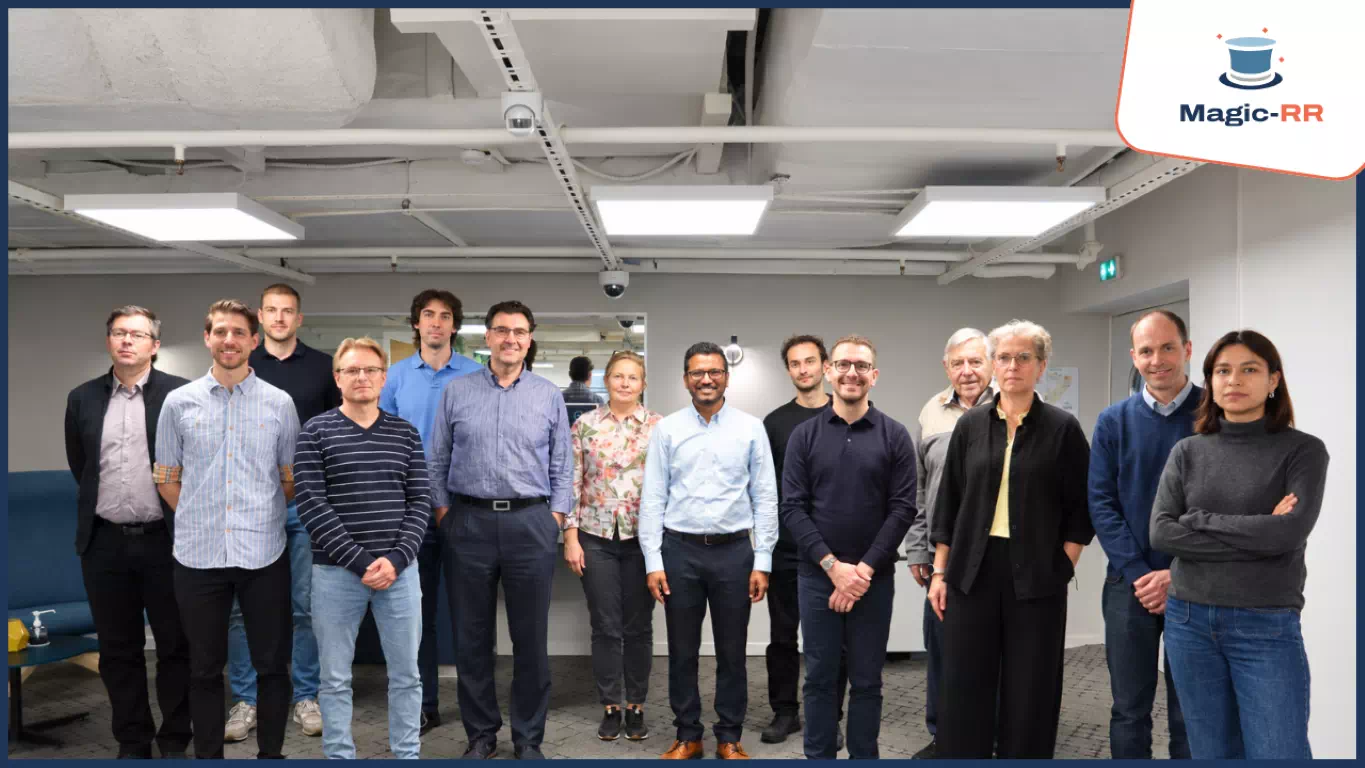
The newsletter also features highlights from the second consortium meeting in Paris and the project’s first End User Group meeting, alongside an interview with the coordinator, updates on scientific publications and deliverables, conference participation, and upcoming events.
The Magic-RR Newsletter #2 offers an overview of how the consortium is translating scientific research into practical knowledge, predictive tools and improved surveillance approaches to support the safe, long-term operation of Europe’s research reactors.