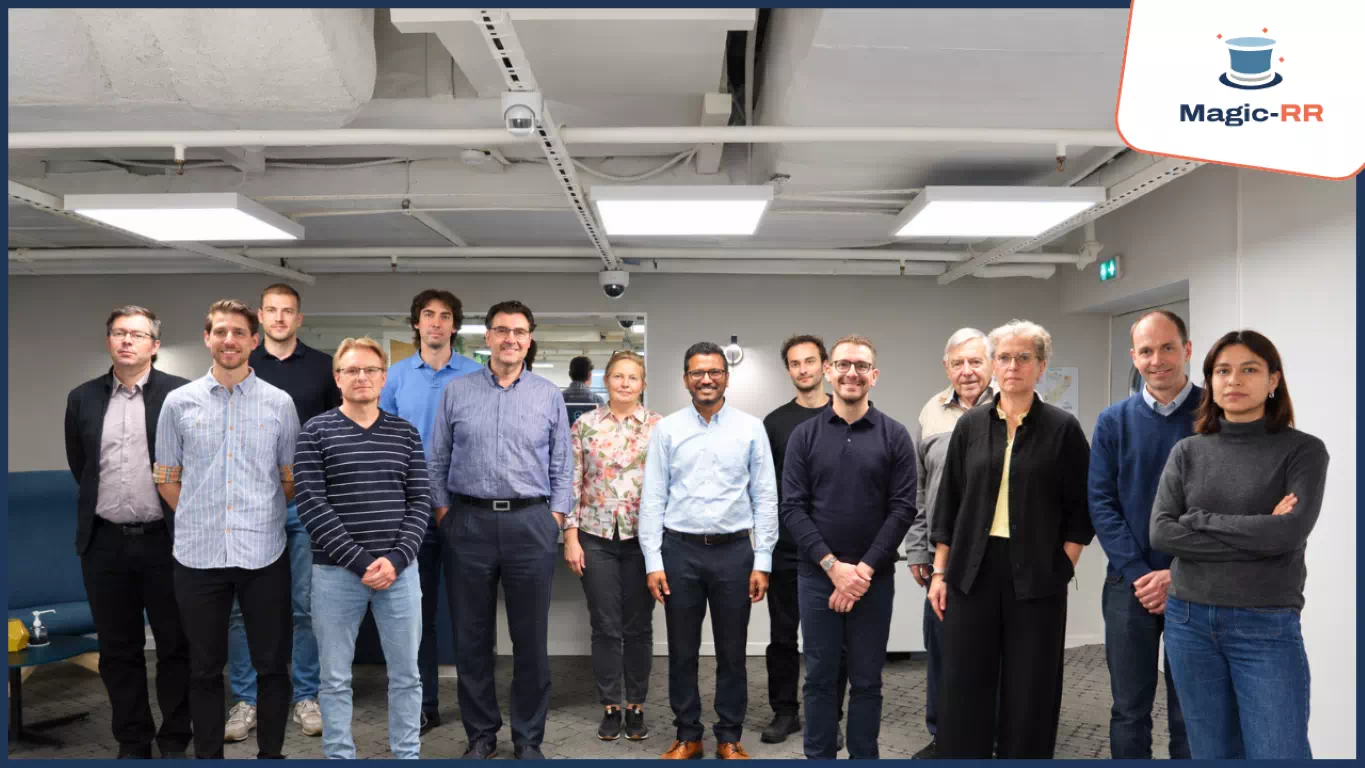
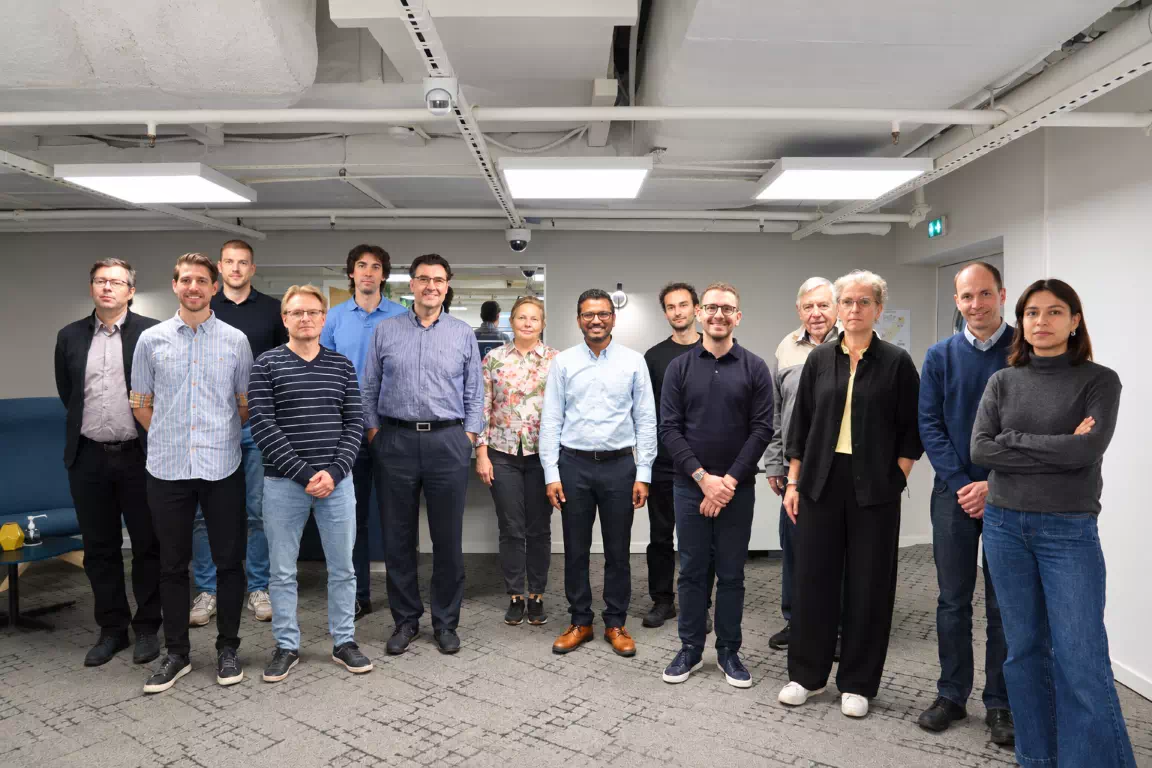
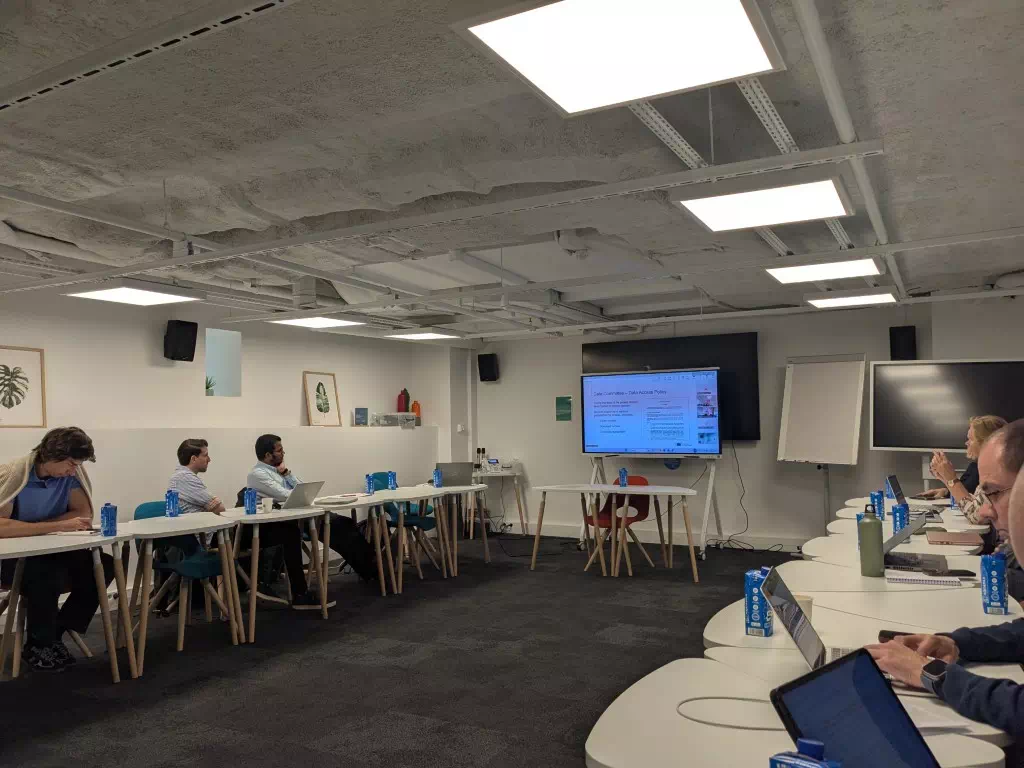
The Magic-RR consortium gathered in Paris on 8–9 October 2026 for its second-year consortium meeting, bringing partners together to review scientific progress, exchange feedback and discuss the next steps towards supporting the safe continued operation of Europe’s ageing Research Reactors.
Hosted by the French Alternative Energies and Atomic Energy Commission (CEA), the two-day meeting provided an opportunity for the consortium to take stock of the work carried out during the project’s first 23 months and coordinate activities for the period ahead.
Reviewing scientific progress and priorities
The meeting opened with the first Magic-RR End User Group (EUG) meeting, where Scientific Coordinator Murthy Kolluri from NRG PALLAS presented an overview of the project’s objectives and progress. Leaders of the technical work packages then shared key highlights and gathered feedback from the End User Group, helping connect the project’s research activities with the needs and perspectives of its intended users.
The consortium meeting continued with presentations covering the progress, ongoing activities and future plans of the project’s five work packages.
The technical discussions focused on three central areas of research: investigating irradiation damage in Research Reactor materials at high fluences; validating miniature specimens for surveillance testing; and advancing ageing management and structural integrity approaches for Research Reactors.
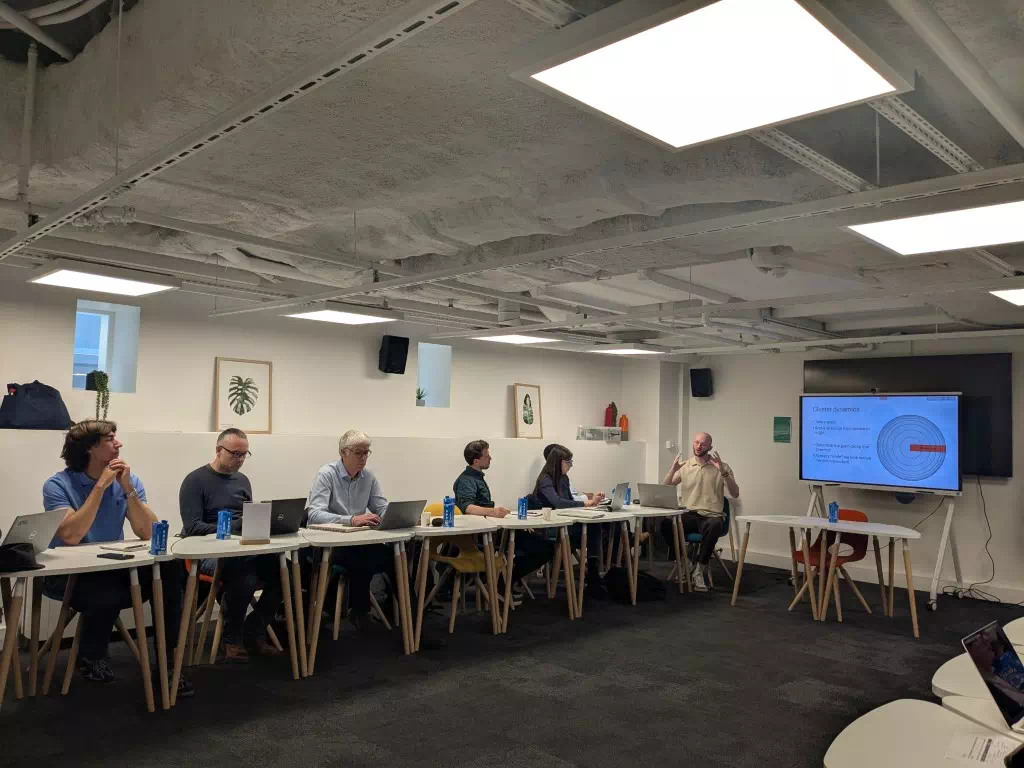
Together, these activities contribute to Magic-RR’s overarching objective of improving the understanding of material behaviour under irradiation and supporting the long-term safety and sustainability of Europe’s Research Reactors.
Connecting research, communication and collaboration
Alongside its scientific work, the consortium reviewed progress in communication, dissemination, education and training. The partners discussed the project’s communication activities, including articles published on the Magic-RR website, social media campaigns, participation in external events and scientific publications.
The meeting also addressed project coordination and management, as well as data management. These activities are essential to ensuring effective collaboration between partners, facilitating the exchange of research data and making scientific knowledge more accessible to the relevant communities.
Scientific Advisory Board feedback
The meeting included feedback from Scientific Advisory Board members Eberhard Altstadt and Lorenzo Malerba, who shared their perspectives on the project’s scientific work and overall coordination.
Their feedback recognised the progress made by the consortium and the value of its experimental research. Discussions also highlighted the importance of close collaboration between experimental and modelling activities, helping ensure that models are informed by robust experimental evidence and that research findings can be interpreted effectively.
This exchange provided an opportunity to reflect on the scientific approaches being developed and identify areas where closer interaction between work packages could further strengthen the project’s research.
Looking ahead
The second-year consortium meeting offered an important opportunity to review achievements, discuss upcoming priorities and reinforce collaboration across the project. With contributions spanning experimental research, modelling, ageing management, data management and communication, the partners continue to work towards a shared goal: supporting the safe and sustainable long-term operation of Europe’s Research Reactors.
By bringing together complementary expertise and encouraging continuous knowledge exchange, Magic-RR is working to strengthen the scientific understanding and practical approaches needed to manage ageing in these important research infrastructures.